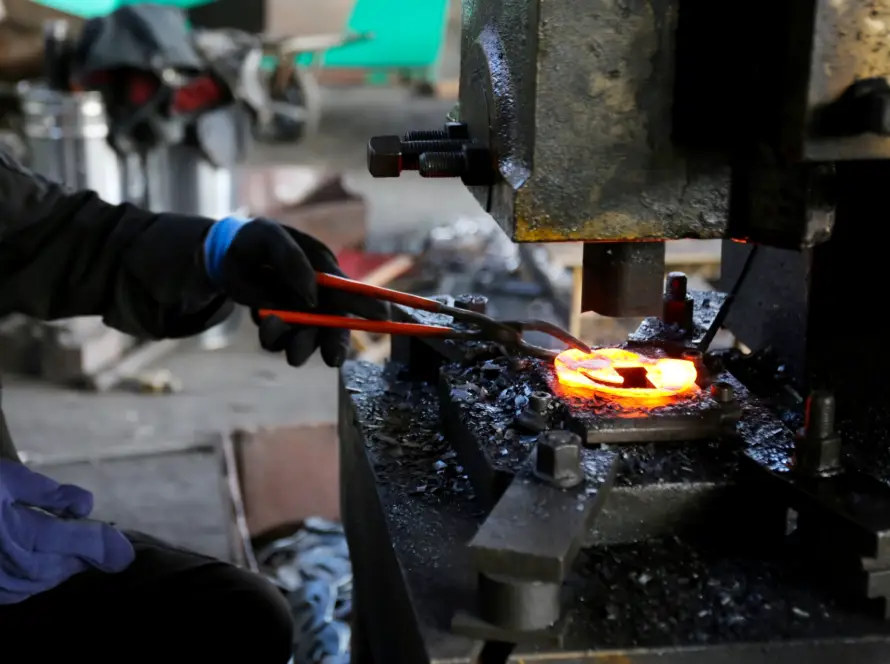
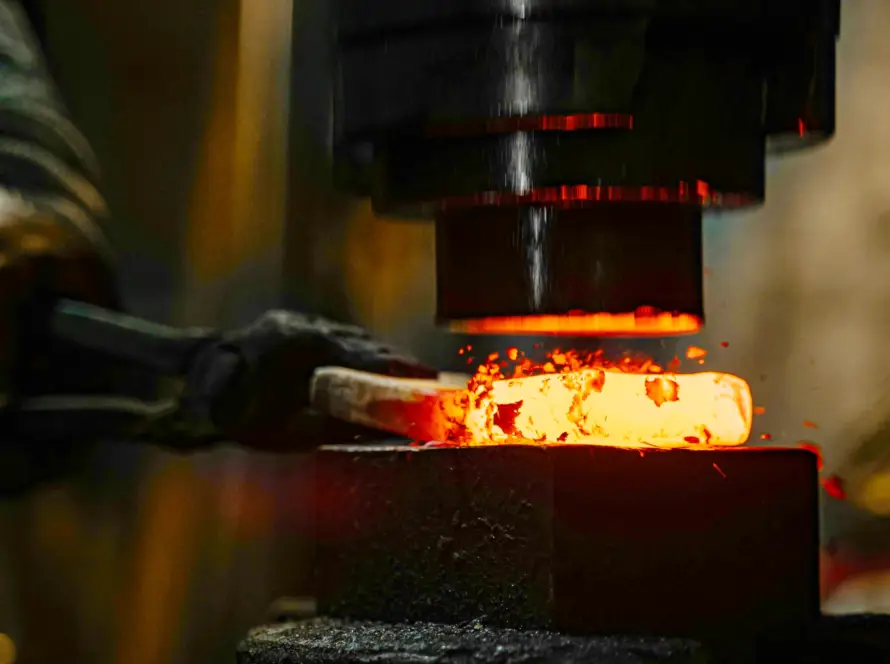
Cold forging is a highly efficient metal forming process in which metal is shaped at or near room temperature using compressive forces. Typically, bar stock or wire is placed into a die and then deformed using high-pressure tools such as presses or hammers to achieve the desired geometry.
Unlike hot forging, this process occurs below the metal’s recrystallization temperature (often referred to as the austenite threshold). Because no heating is required, the material retains its structural integrity while undergoing plastic deformation.
Cold forging is widely used in modern manufacturing because it produces components with excellent mechanical properties, minimal material waste, and high dimensional accuracy. Compared to machining or casting, it delivers stronger parts with a more refined grain structure, making it ideal for high-performance applications.
How Cold Forging Works
The cold forging process is designed for speed, consistency, and efficiency. Raw material, often in the form of wire or bar stock, is fed into a forging machine where it is cut into precise lengths. These blanks are then transferred through a series of dies, each shaping the material incrementally until the final form is achieved.
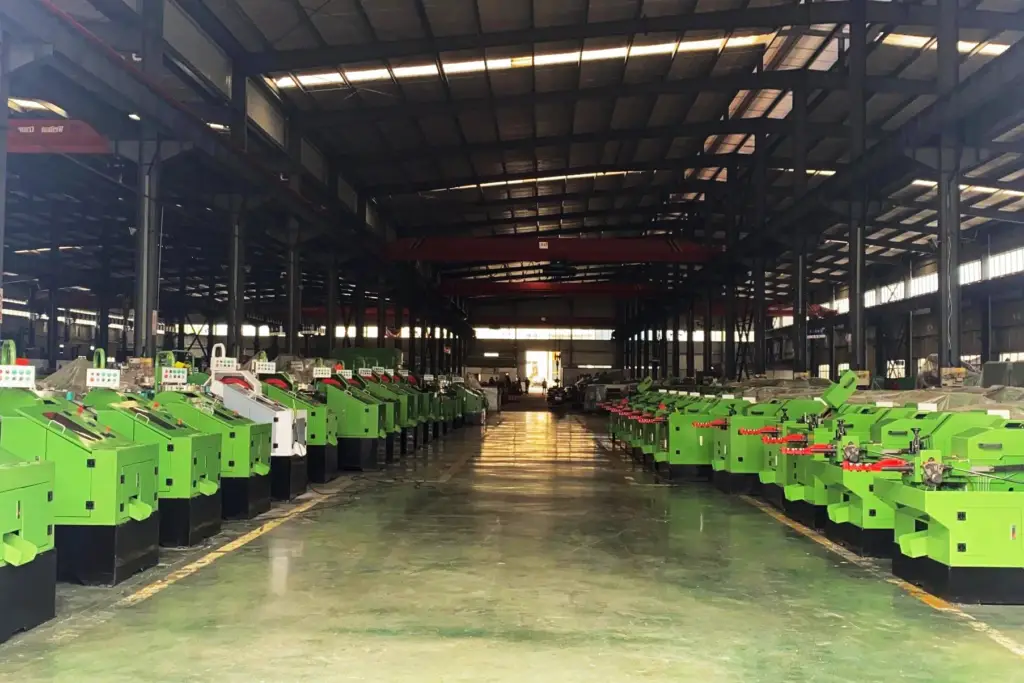
Because the process relies on high-pressure deformation rather than heat, multiple forming stages are often required for more complex geometries. Advanced cold heading machines and automated presses allow manufacturers to produce parts at extremely high speeds, often reaching hundreds or even thousands of units per hour.
Another key advantage is the near-net-shape capability. Components emerge from the process very close to their final dimensions, reducing or even eliminating the need for secondary machining. This not only saves time but also significantly lowers production costs.
The resulting parts exhibit smooth surface finishes, tight tolerances, and enhanced mechanical strength. The continuous grain flow created during deformation improves fatigue resistance and durability, making cold forged components highly reliable in demanding environments.
Key Benefits of Cold Forging
Cold forging has become a preferred manufacturing method across industries due to its combination of cost efficiency, precision, and performance.
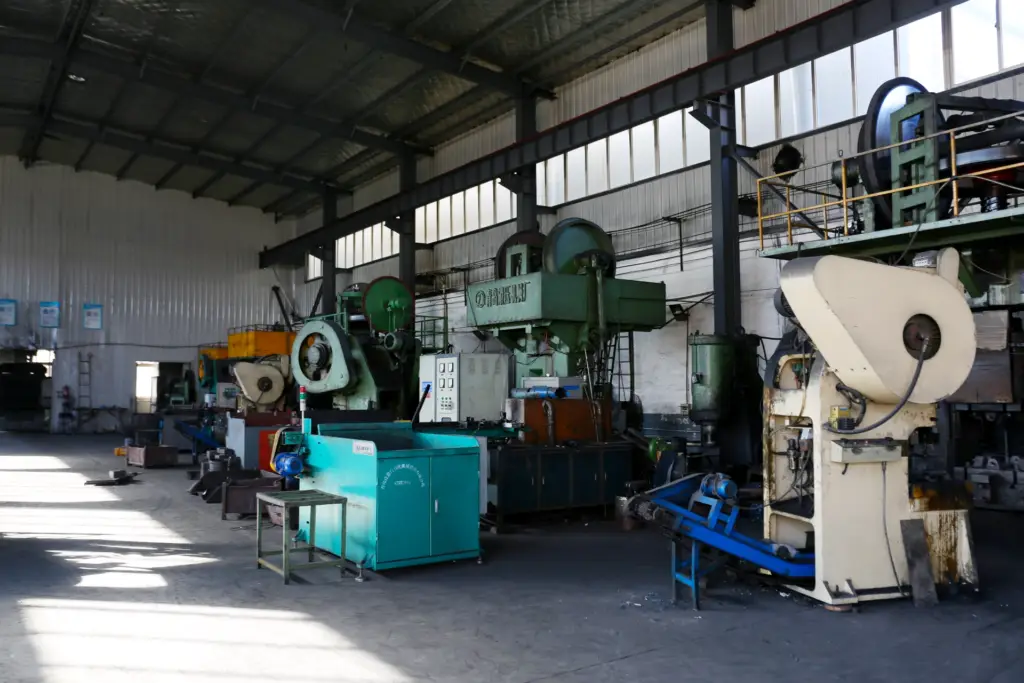
One of its biggest advantages is cost reduction. Since the process operates without high-temperature heating, manufacturers save significantly on energy consumption. At the same time, the near-net-shape nature of cold forging minimizes material waste compared to traditional machining, where large amounts of metal are removed.
Speed is another major benefit. Modern cold forging equipment is capable of continuous, automated production with minimal operator involvement. This allows for rapid cycle times and consistent output, making it especially suitable for large-scale manufacturing.
From a quality perspective, cold forging produces parts with excellent strength and durability. The deformation process refines the grain structure, resulting in improved tensile strength, wear resistance, and long service life. Because the metal is not exposed to thermal cycling, the risk of defects such as porosity or oxidation is also reduced.
Precision is equally important. Cold forging delivers tight, repeatable tolerances across high production volumes. This level of consistency is critical for industries that require interchangeable parts and strict quality control.
In addition, the process offers a surprising degree of design flexibility. With advanced die technology, manufacturers can produce components with complex shapes, threads, and contours in a single operation, reducing the need for secondary processing.
Cold Forging vs. Hot Forging
The primary difference between cold forging and hot forging lies in temperature. Cold forging is performed at or near room temperature, while hot forging requires heating the metal to high temperatures above its recrystallization point.
This difference has a direct impact on material behavior and production outcomes. Cold forging increases strength through strain hardening, resulting in stronger finished parts. In contrast, hot forging makes the material easier to shape, allowing for more complex geometries and larger components.
Choosing between the two methods depends on several factors, including part design, material type, production volume, and cost considerations. Cold forging is typically preferred for smaller, high-volume components with tight tolerances, while hot forging is better suited for larger or more intricate parts that require significant deformation.
Materials Used in Cold Forging
Cold forging is compatible with a wide range of metals, allowing manufacturers to tailor components based on performance requirements. Common materials include carbon steel, alloy steel, and stainless steel for high-strength applications, as well as aluminum, brass, and copper for lighter or more corrosion-resistant components.
The choice of material depends on factors such as mechanical strength, environmental conditions, conductivity, and cost. This versatility makes cold forging suitable for a broad spectrum of industries and applications.
Applications of Cold Forging
Cold forging is widely used in industries that demand high precision, durability, and cost efficiency.
In the automotive sector, it is commonly used to manufacture critical components such as drive shafts, transmission parts, and suspension elements. These parts benefit from the process’s ability to enhance strength and fatigue resistance.
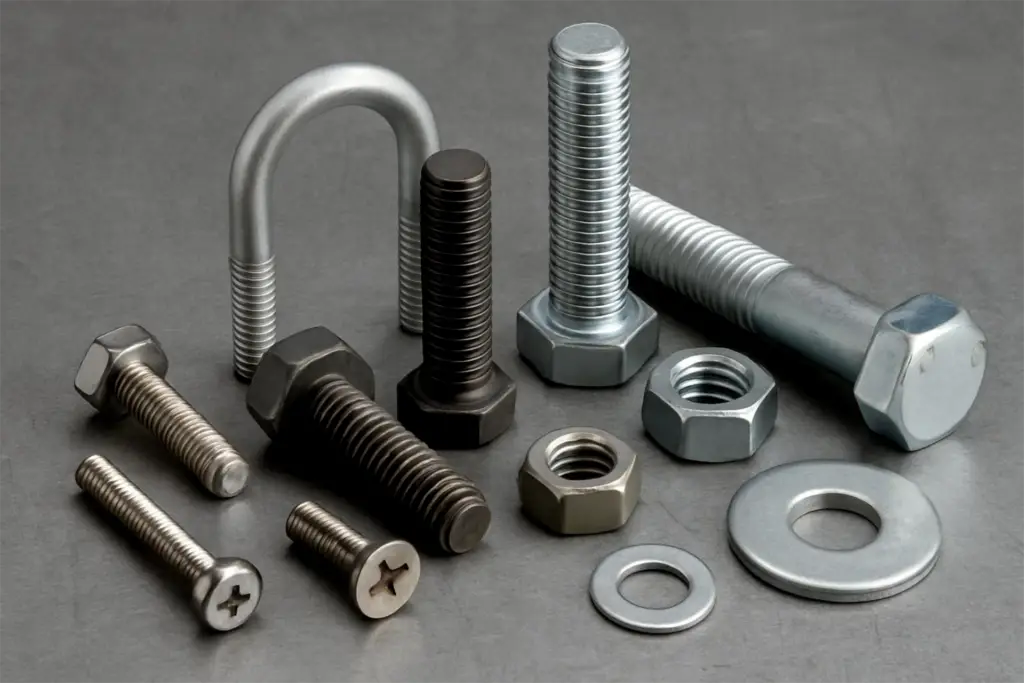
The production of fasteners is another major application. Bolts, nuts, rivets, and pins are frequently cold forged due to the process’s ability to achieve tight tolerances and high production speeds.
Cold forging is also used in the manufacturing of gears, where it eliminates the need for extensive cutting and machining. The resulting gears exhibit smoother engagement and improved performance.
In addition, industries such as construction, electronics, and defense rely on cold forged components for their reliability and consistent quality under demanding conditions.
Why Cold Forging Matters in Modern Manufacturing
Cold forging continues to play a critical role in today’s manufacturing landscape. Its ability to combine high production efficiency with superior product quality makes it an ideal solution for OEMs and suppliers seeking competitive advantages.
By reducing material waste, lowering energy consumption, and minimizing secondary operations, cold forging supports both cost optimization and sustainable production practices. At the same time, it delivers the strength, precision, and reliability required for modern engineering applications.
For companies looking to produce high-volume, high-performance components, cold forging remains one of the most effective and dependable manufacturing methods available.