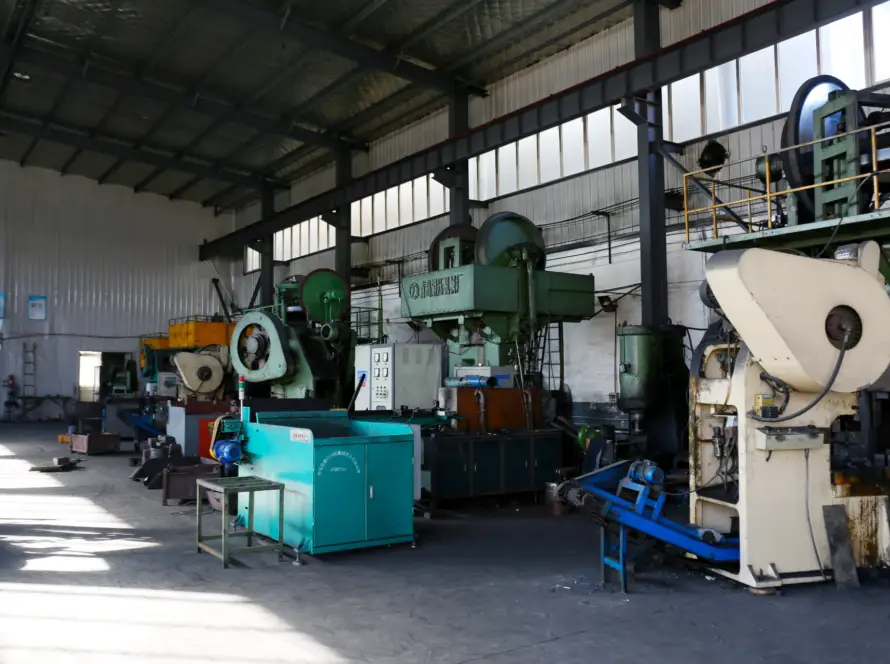
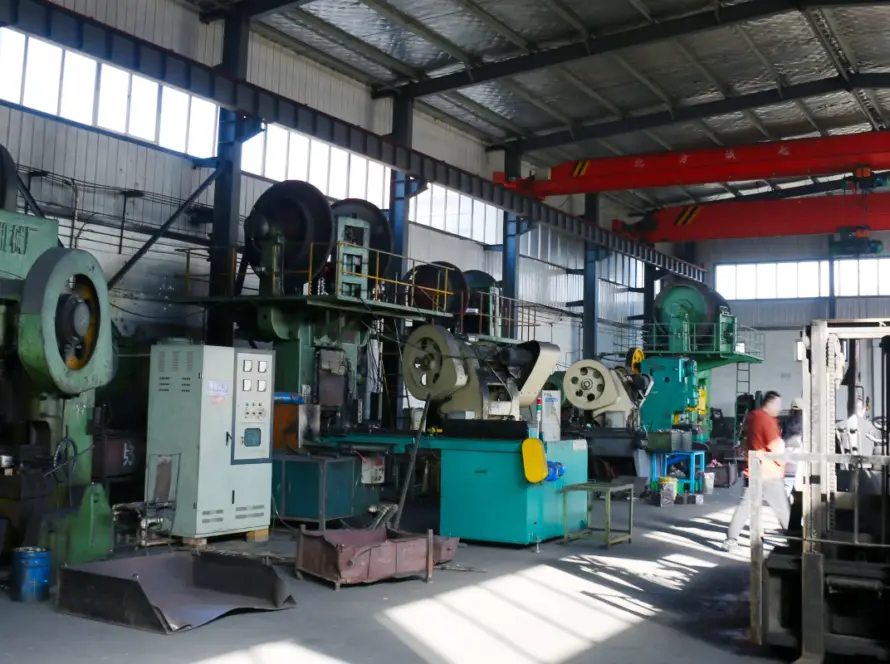
Hot forging is a metal forming process in which a workpiece is heated above its recrystallization temperature and then shaped using high compressive forces. At these elevated temperatures, the metal becomes softer and more ductile, allowing it to be formed into complex shapes without cracking or hardening
Unlike cold forging, which takes place at or near room temperature, hot forging prevents strain hardening during deformation. This makes it particularly suitable for producing large, complex, and high-strength components that must perform reliably under extreme conditions.
Unlike cold forging, which takes place at or near room temperature, hot forging prevents strain hardening during deformation. This makes it particularly suitable for producing large, complex, and high-strength components that must perform reliably under extreme conditions.
By refining the internal grain structure and eliminating defects, hot forging produces parts with excellent mechanical properties, making it a preferred choice across demanding industrial sectors.
How the Hot Forging Process Works
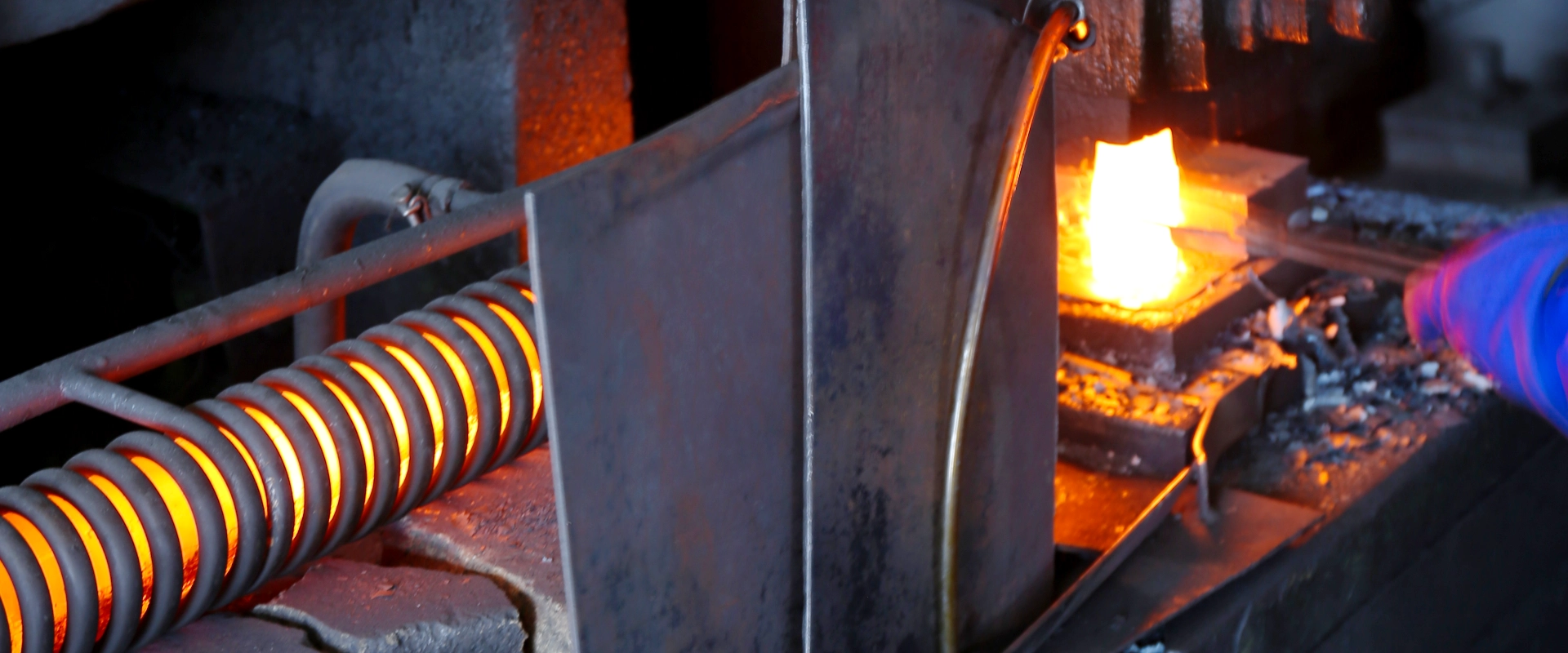
The hot forging process begins with heating the raw metal to a temperature above its recrystallization point. Depending on the material, this temperature typically ranges from around 1,100°F to over 2,200°F. At this stage, the metal becomes highly workable and ready for deformation.
Once heated, the material is transferred into a forging die, where it is shaped using either a hammer or a press. The applied force causes the metal to flow and fill the die cavity, gradually forming the required geometry. Because the material is in a softened state, it can be shaped more easily and with less risk of cracking.
After forming, the component is cooled under controlled conditions to maintain its structural integrity. In many cases, secondary processes such as trimming, heat treatment, or machining are applied to achieve final dimensions and surface quality.

Materials Commonly Used in Hot Forging
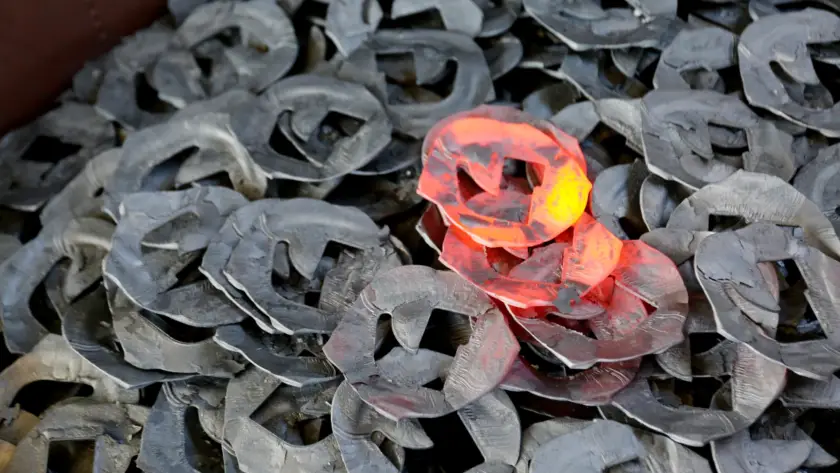
Hot forging supports a wide range of metals, making it a versatile solution for different applications. Steel is one of the most widely used materials due to its strength and adaptability, particularly in automotive and heavy industrial components.
Aluminum is often selected for applications where weight reduction is critical, such as in transportation and aerospace. Titanium, known for its exceptional strength-to-weight ratio, is commonly used in high-performance sectors like aerospace and medical engineering. Copper and brass are also forged when conductivity and corrosion resistance are required.
The selection of material ultimately depends on the performance requirements, environmental conditions, and cost considerations of the final product.
Key Benefits of Hot Forging
One of the most important advantages of hot forging is the strength it imparts to the final component. As the metal is deformed at high temperatures, its grain structure is refined and aligned with the shape of the part. This results in improved mechanical properties, including higher tensile strength and better fatigue resistance.
Hot forging also enhances the workability of metals. Because the material is softened during heating, it can be shaped more easily into complex geometries. This reduces the likelihood of internal defects such as cracks or voids and allows for better material flow within the die.
From a manufacturing perspective, hot forging offers strong cost advantages, particularly for large or complex parts. The process minimizes material waste and can reduce the need for additional treatments or reinforcements. Over time, the durability of forged components also contributes to lower maintenance and replacement costs.
Industrial Applications of Hot Forging
Hot forging is widely used in industries where strength, reliability, and performance are critical.
In the automotive sector, it is essential for producing components such as crankshafts, gears, and connecting rods. These parts must withstand high loads, repeated stress, and extreme operating conditions. Hot forging ensures they deliver consistent performance over long service lifetimes.
The aerospace industry also relies heavily on hot forging for critical components, including turbine parts, landing gear, and structural elements. Materials like titanium and aluminum are commonly used to achieve the required balance between strength and weight, while maintaining strict safety standards.
In heavy machinery and construction equipment, hot forging is used to manufacture components such as hydraulic parts, industrial gears, and high-impact tools. These applications demand exceptional durability and resistance to wear, which forged components are well equipped to provide.
Why Hot Forging Remains Essential
Hot forging continues to be a cornerstone of modern manufacturing due to its ability to produce strong, reliable, and high-performance metal components. Its versatility in handling different materials and complex shapes makes it indispensable across a wide range of industries.
By combining improved material properties with efficient production methods, hot forging offers a practical and cost-effective solution for manufacturers and OEM suppliers alike. Whether for automotive systems, aerospace engineering, or heavy industrial equipment, it remains one of the most trusted processes for shaping metal into durable, high-quality parts.