When it comes to manufacturing metal components, forging and casting are two of the most widely used processes. Both methods shape metal into functional parts, but they differ significantly in how the material is formed, how it performs, and where it is best applied.
Choosing between forging and casting is not just a technical decision—it directly impacts product strength, cost, durability, and long-term reliability. Understanding the differences between these two processes can help engineers, buyers, and manufacturers make more informed decisions.
What Is Forging?
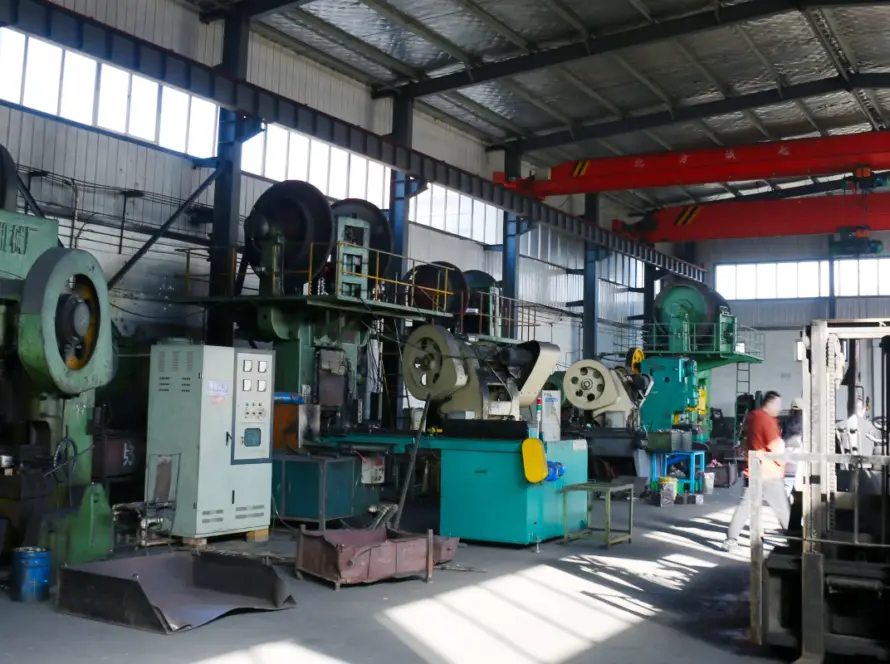
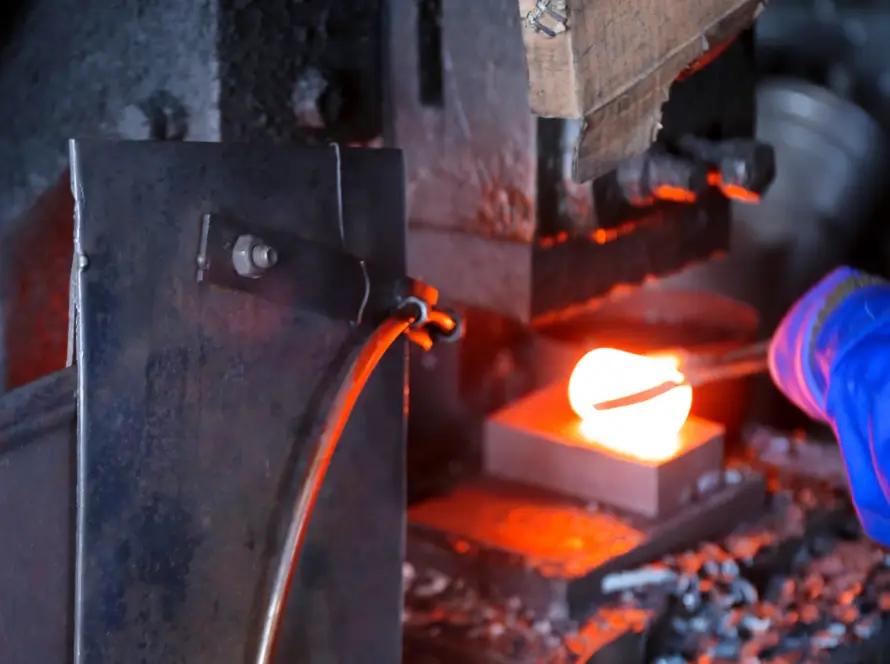
Forging is a process that shapes solid metal using compressive forces. Instead of melting the material, it is deformed under pressure, often at elevated temperatures. This mechanical working refines the internal grain structure, aligning it with the shape of the part.
Why Grain Flow Matters
One of the defining advantages of forging is grain flow. As the metal is compressed and shaped, its internal structure becomes more uniform and directional. This significantly improves mechanical properties such as strength, impact resistance, and fatigue life.
Because of this, forged parts are commonly used in critical applications where failure is not acceptable, such as automotive drivetrain components, aerospace structures, and high-pressure industrial systems.
What Is Casting?
Casting, on the other hand, involves melting metal and pouring it into a mold where it solidifies into the desired shape. This process allows for greater design flexibility, especially for complex geometries that would be difficult or impossible to achieve through forging.
Flexibility in Design
Casting is particularly well-suited for parts with intricate internal cavities, thin walls, or complex contours. It enables manufacturers to produce near-net-shape components with minimal forming force, making it a practical choice for certain designs and lower-volume production.
However, because the metal cools from a liquid state, the internal structure is not as refined as in forging. This can lead to defects such as porosity, shrinkage, or inclusions if not carefully controlled.
Key Differences Between Forging and Casting
The most important distinction lies in how the metal is formed. Forging works the material in its solid state, while casting relies on solidification from a molten state. This fundamental difference leads to variations in performance, cost, and application.
Strength and Mechanical Properties
Forged components are generally stronger than cast ones. The controlled deformation process eliminates internal voids and aligns the grain structure, resulting in superior toughness and fatigue resistance. Cast parts, while adequate for many uses, typically have lower mechanical strength due to potential internal imperfections.
Precision and Surface Finish
Casting usually offers better surface finish and can produce complex shapes with minimal machining. Forging may require additional finishing operations, especially for tight tolerances, although modern closed-die forging has significantly improved dimensional accuracy.
Cost Considerations
The cost comparison between forging and casting depends heavily on production volume and part complexity. Casting often has lower initial tooling costs and is more economical for small production runs or highly complex parts. Forging, while requiring higher tooling investment, becomes more cost-effective in large-scale production due to material efficiency and reduced machining needs.
Material Performance and Reliability
Forged parts are known for their consistency and reliability. The process minimizes defects and produces components that can withstand high stress and harsh environments. Cast parts, while versatile, may require additional inspection and quality control to ensure performance in critical applications.
When to Choose Which
Forging is the preferred choice when strength, durability, and safety are top priorities. It is particularly suitable for components subjected to dynamic loads, high pressure, or repeated stress. Industries such as automotive, aerospace, oil and gas, and heavy equipment rely heavily on forged parts for this reason.
Casting is ideal when design complexity is the main concern. If a part requires intricate shapes, internal channels, or unique geometries, casting provides greater flexibility. It is also a practical solution for lower production volumes or when minimizing upfront tooling costs is important.