

Forging is a manufacturing process that improves the strength, durability, and reliability of metal components. Among the various forging methods, hot forging and cold forging are the most widely used. Although both shape metal using compressive force, they differ in processing temperature, accuracy, material properties, and applications. Understanding these differences can help manufacturers choose the right process for their project.
What Is Hot Forging?
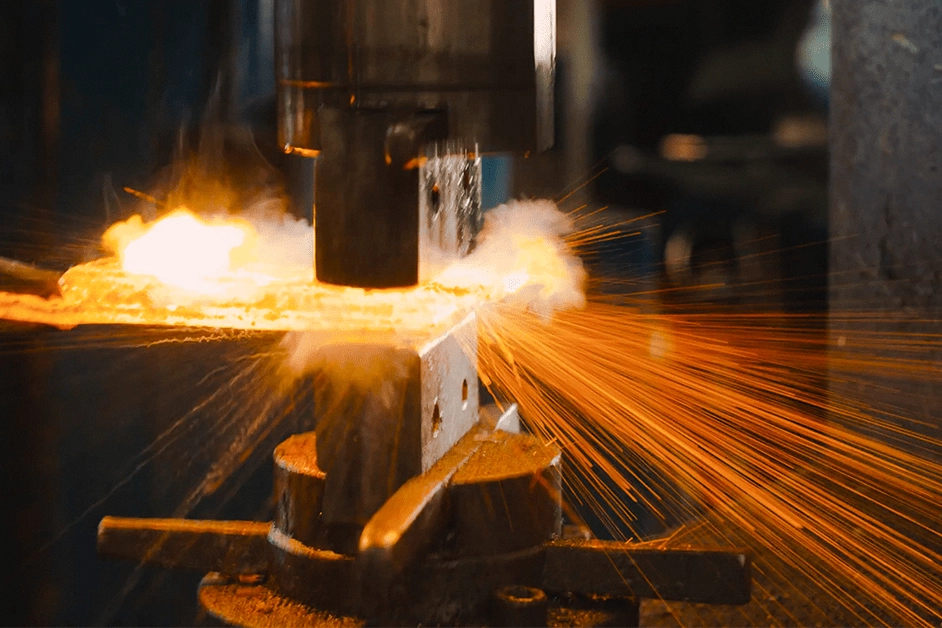
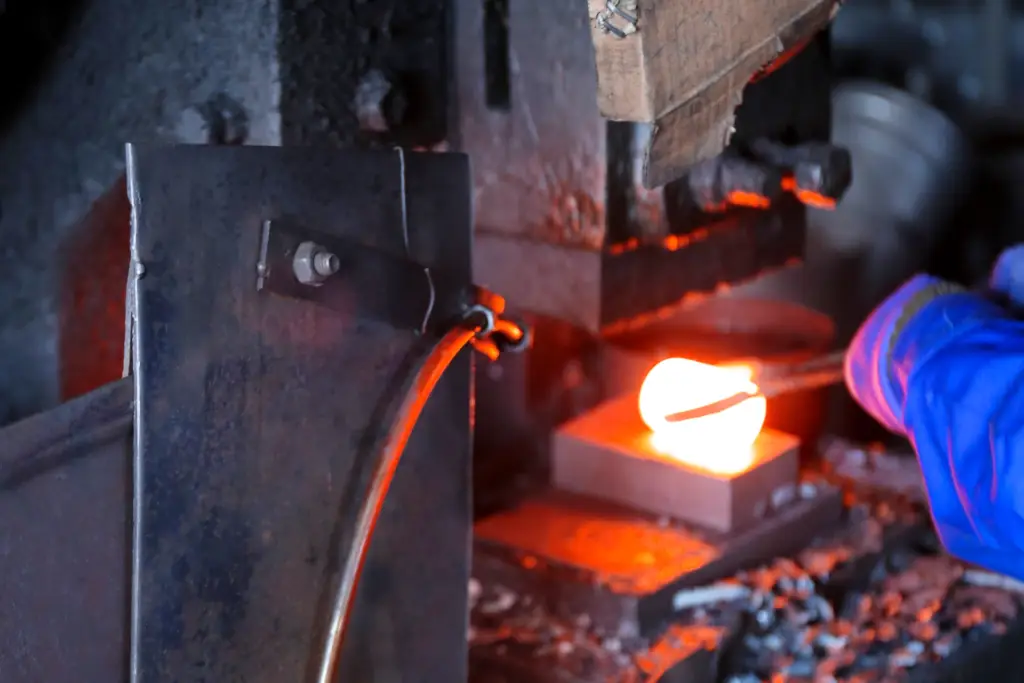
Hot forging shapes metal after it has been heated above its recrystallization temperature. The heated material becomes more ductile, allowing it to flow easily into dies and form complex or large components. This process also refines the grain structure, producing parts with excellent toughness and fatigue resistance.
What Is Cold Forging?
Cold forging is performed at or near room temperature without significant heating. Because the material remains harder during forming, greater force is required. However, the process delivers outstanding dimensional accuracy, smooth surface finishes, and increased strength through work hardening.
Key Differences Between Hot and Cold Forging
The biggest difference is temperature. Hot forging uses heat to improve metal formability, while cold forging relies on high pressure to shape the material.
Hot forging is better suited for large, complex parts and can accommodate greater material deformation. Cold forging is ideal for smaller precision components with tight tolerances and minimal machining requirements.
Surface quality also differs. Hot forged parts usually develop oxide scale that must be removed, whereas cold forged parts generally have a cleaner finish. While hot forging improves ductility and toughness, cold forging increases hardness and strength through strain hardening.
Typical Applications
Hot forging is commonly used to manufacture crankshafts, gears, valve bodies, flanges, construction equipment, and other heavy-duty industrial components.
Cold forging is widely used for fasteners, bolts, nuts, shafts, bearings, gears, and automotive parts that require high precision and consistent quality in large production volumes.
Which Forging Method Is Right for You?
The right forging process depends on the size, complexity, material, production volume, and performance requirements of your component.
Hot forging is often the best choice for large or complex parts that require superior toughness. Cold forging is more suitable for high-volume production of smaller components where precision, surface finish, and manufacturing efficiency are priorities.
Conclusion
Both hot forging and cold forging offer distinct advantages. Hot forging provides greater design flexibility and excellent mechanical properties, while cold forging delivers exceptional accuracy, surface quality, and cost efficiency for mass production. Working with an experienced forging manufacturer ensures you select the most suitable process for your specific application.
