

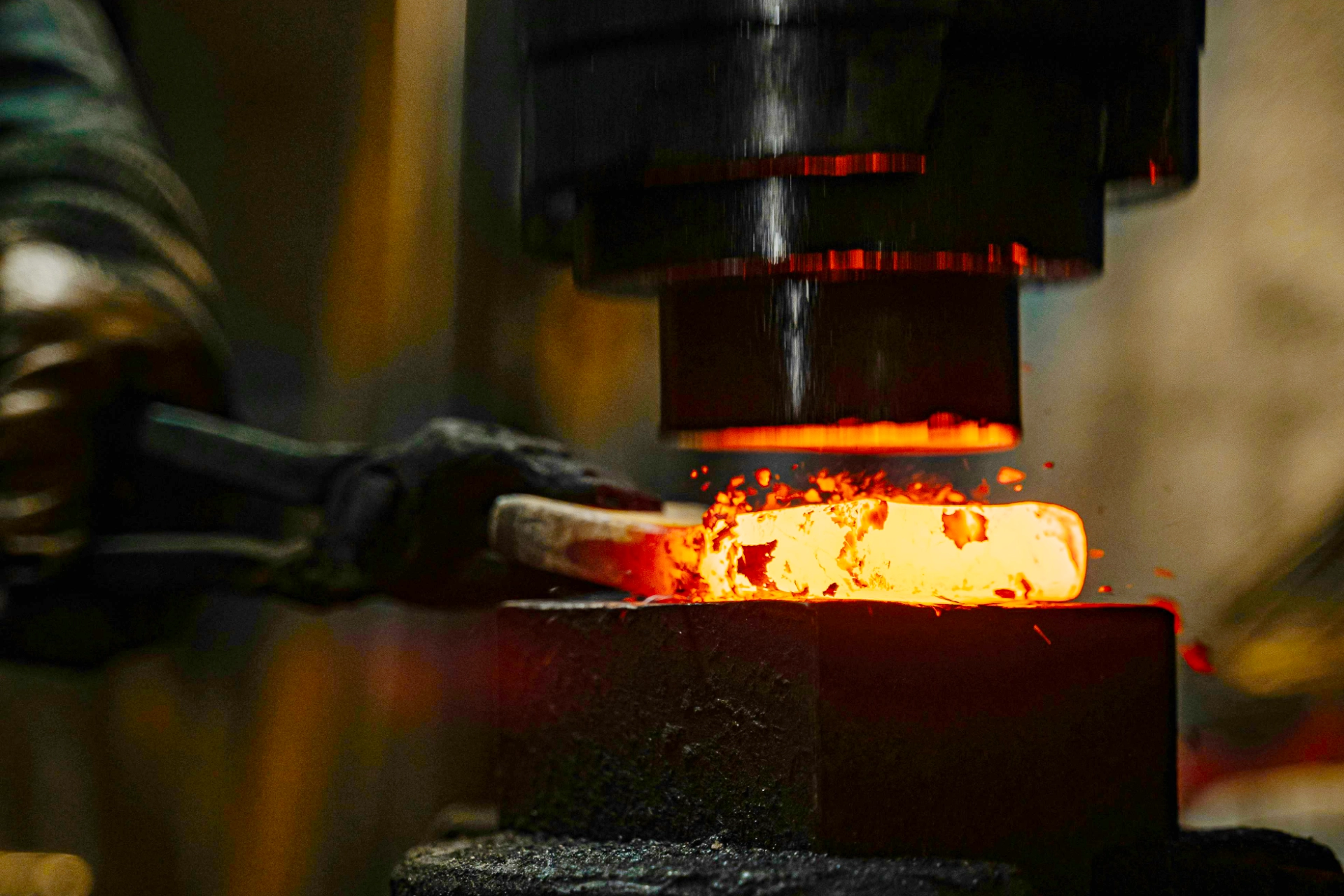
Hot forging is a metal forming process where raw material is heated above its recrystallization temperature and then shaped under high pressure using specialized dies or forging equipment. At these elevated temperatures, metals become more ductile, allowing them to be formed into complex geometries without cracking.
This process is widely used in industries that demand high-strength, reliable, and durable components, including oil & gas, construction, automotive, and valve manufacturing.
At EATHU, our hot forging services are engineered to deliver precision, consistency, and performance, supporting global OEM clients with custom metal components tailored to their exact specifications.
How the Hot Forging Process Works
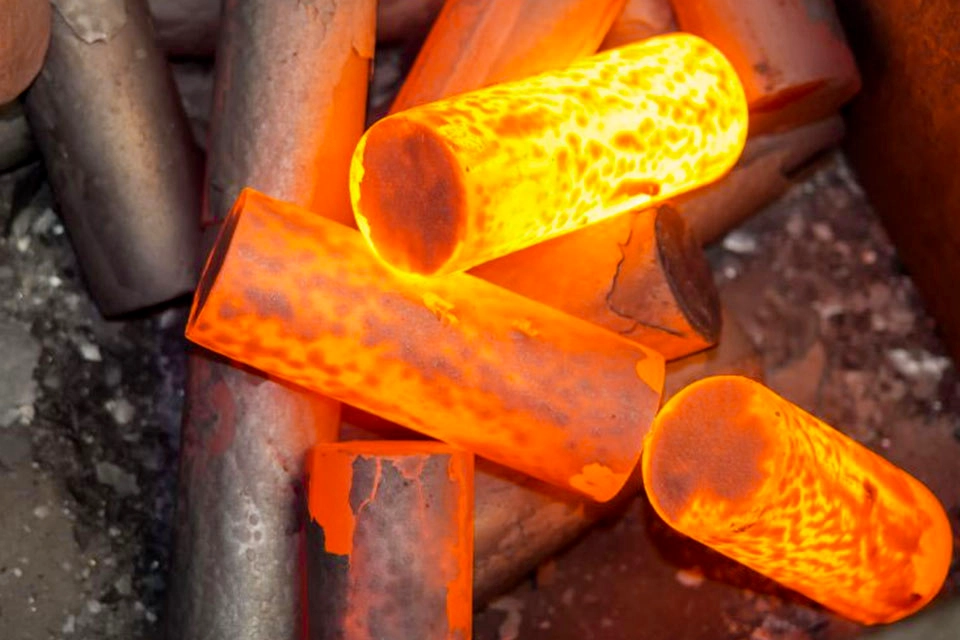
The process begins with carefully selected raw materials, including carbon steel, alloy steel, stainless steel, or aluminum. These materials are heated to high temperatures—typically between 900°C and 1250°C—until they become ductile enough to be formed without cracking.
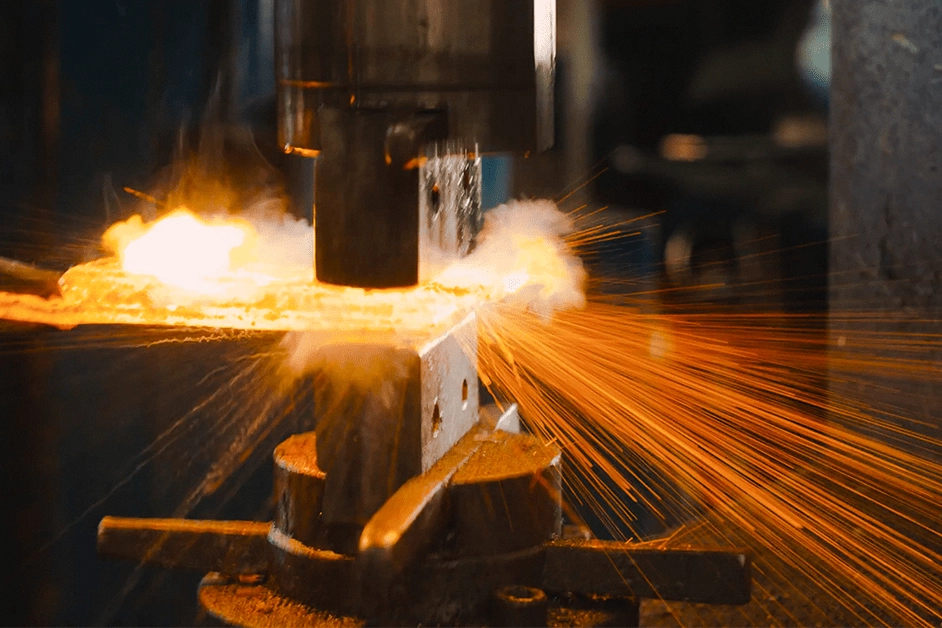
Once heated, the material is shaped using forging presses or hammers, either in open or closed dies depending on the complexity of the part. After forming, excess material is trimmed, and the component undergoes controlled cooling or heat treatment to achieve the desired mechanical properties. Final machining is then applied to meet tight tolerances and surface requirements.
Why Hot Forging Is the Preferred Choice
Compared to other manufacturing processes, hot forging offers clear advantages. The high-temperature deformation refines the internal grain structure, resulting in stronger, tougher parts with excellent resistance to impact and fatigue. It also reduces internal defects such as porosity, which are common in casting.
Another key benefit is flexibility. Hot forging can produce both simple and complex shapes, including large components that would be difficult or inefficient to manufacture using cold forming methods. For medium to high production volumes, it also offers a cost-effective balance between tooling investment and per-unit cost.
Where Hot Forging Is Used
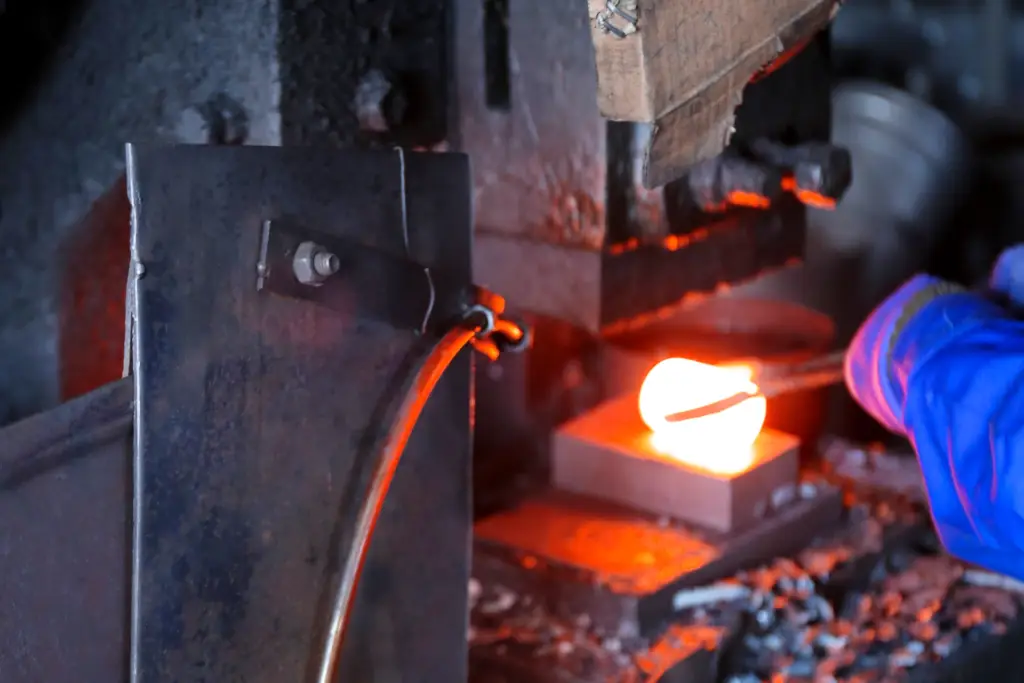
Hot forged components are found wherever strength and reliability matter. In valve and piping systems, forged parts provide leak-free performance under high pressure. In oil and gas applications, they withstand extreme environments and mechanical stress. Automotive manufacturers rely on hot forging for critical components like shafts and gears, while construction projects use forged hardware for durability and safety.
Why Work with EATHU
EATHU focuses on OEM forging solutions, meaning every component is produced according to your drawings and technical requirements. We combine forging, machining, and finishing into one integrated process, ensuring consistency from raw material to final product.
Our experience in exporting to Europe, the Middle East, and North America allows us to meet international standards and expectations, both in quality and delivery. Whether you need valve components, pipe fittings, or custom industrial parts, we aim to provide a reliable and efficient manufacturing solution.